Driving
Emergency Response Ambulance Driving (P2) (B Licence)
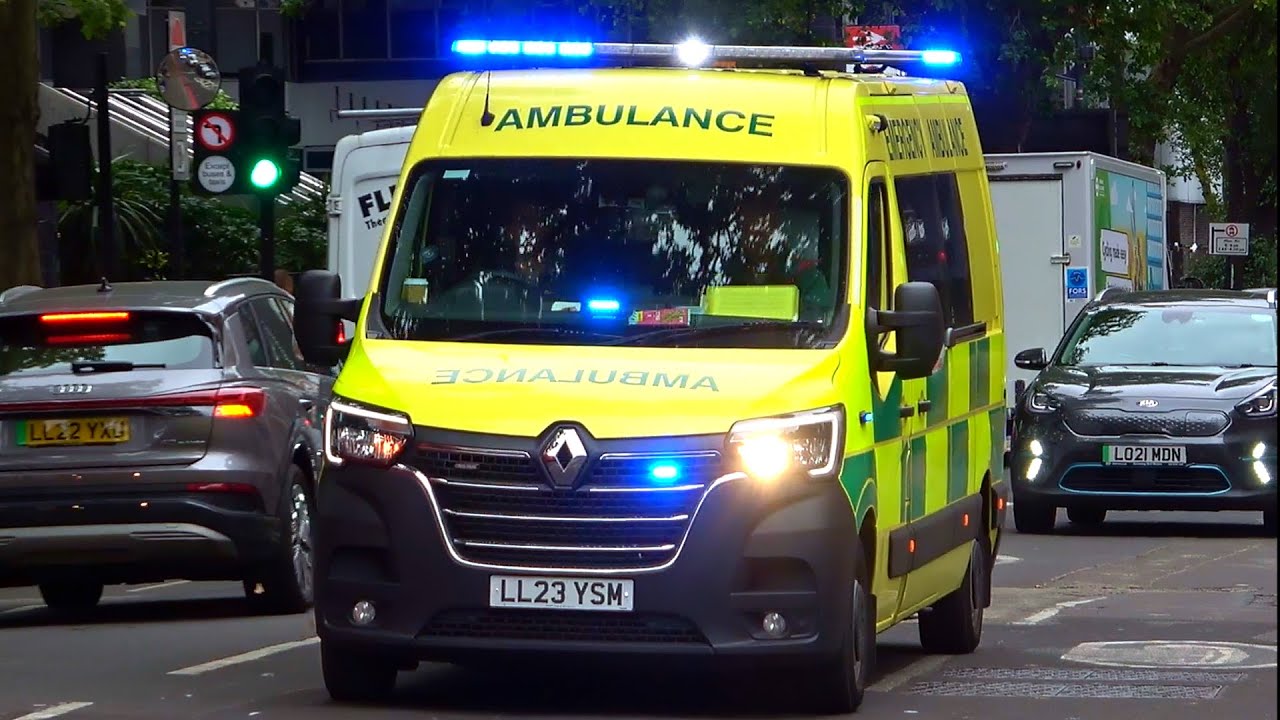
FutureQuals CERAD - B Category Ambulance VehiclesThis the the exact same qualification that NHS and HSC Ambulance Service Trusts use to train their emergency response drivers. This course is the FutureQuals CERAD Pathway 1 - described as : "Ambulance (light) vehicles with 4 or more wheels and a gross vehicle weight of at least 3250KG, but not exceeding 3500kg" Learners looking to undertake this course must have a B Category on their driving licence and demonstrate they are currently employed or have an offer of employment in an ambulance role. This FutureQuals Level 3 Certificate in Emergency Response Ambulance Driving (CERAD) (RQF) is to provide Learners with the skills, knowledge and understanding required to prepare, drive and manoeuvre B Category ambulance vehicles under both routine and emergency response conditions. These are the vehicles you typically see in most private and voluntary ambulance services, such as Renault Master, Fiat Ducato etc - however these vehicles may have been modified to take heavier loads, so be sure to check the vehicle Maximum Authorised Mass (MAM) | 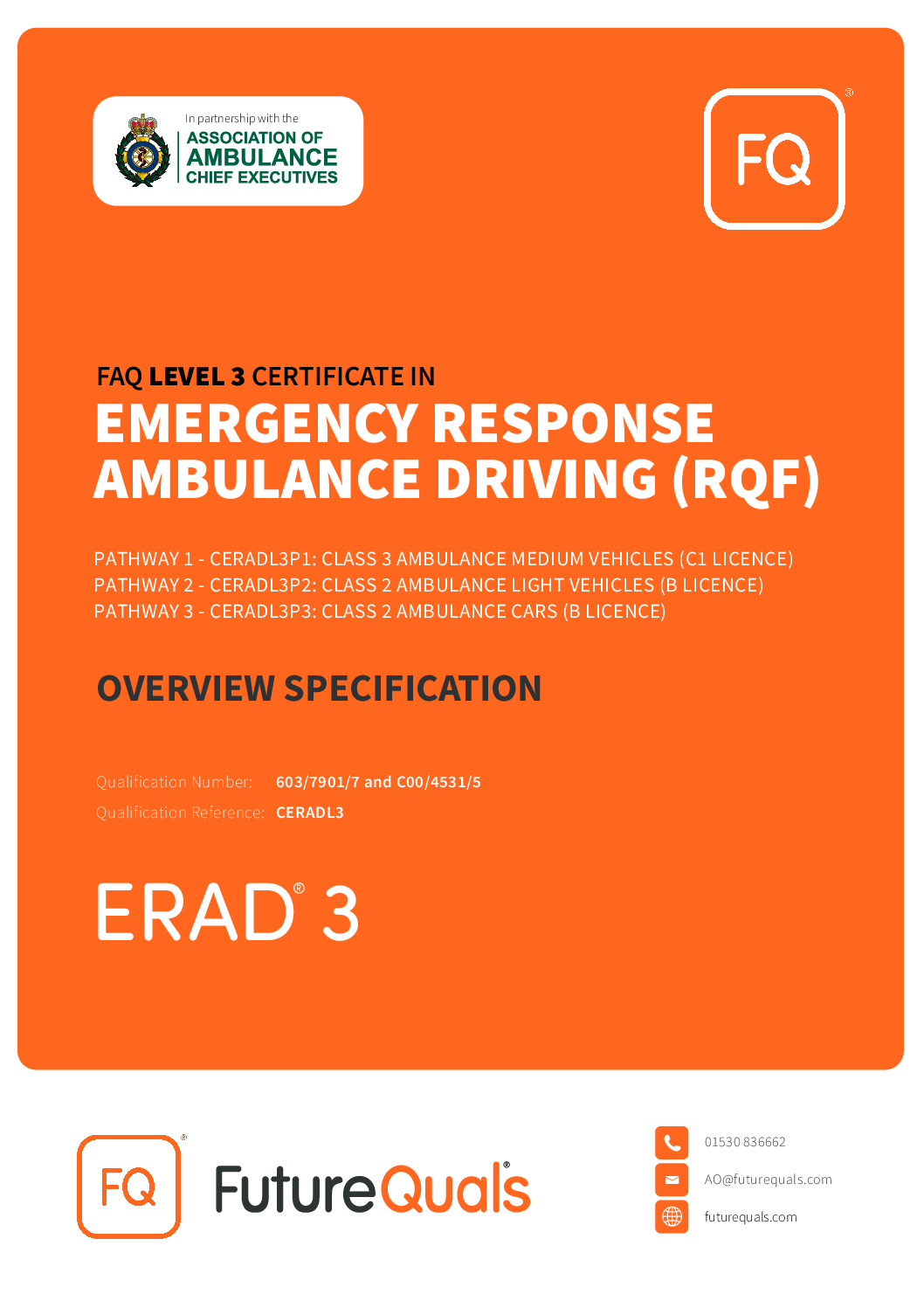 |
The Awarding Organisation Specification States:
"Successful completion of this qualification only authorises the Learner to drive at high speeds in the class of vehicle in which the qualification was delivered and assessed. For Learners wishing to qualify on an additional pathway post-achievement of this qualification, they must be registered on, and achieve, the new pathway separately."
What does this mean?
Well, they are really saying, you should only be responding and claiming speed exemptions in the vehicle type you were trained and assessed in; this is in anticipation of what new UK legislation will look like when enacted, and generally all ambulance service trusts (and voluntary, private etc are following suit) are adopting these guidelines. Read about the intedended changes here Section 19 Road Safety Act 2006. It is down to the organisation to ensure you are competent and trained; even though you may complete a CERAD course, expect to have your drivign standard checked and tested every time you apply to a role, as the organisation has to satisfy itself that you are capable and are still able to safely respond to a high standard.